Auckland’s hospitality sector is currently experiencing a historic surge, with annual sales reaching a record $15.99 billion in late 2024. However, this growth brings intense pressure to maintain impeccable hygiene standards in one of the world’s most challenging subtropical climates. In the dense urban pockets of Ponsonby, Newmarket, and the CBD, the margin for error is non-existent.
A single pest sighting can go viral on social media within minutes, potentially dismantling years of brand-building. For local business owners, restaurant pest control in Auckland is no longer just a maintenance task; it is a critical pillar of risk management and brand protection. Navigating the complexities of the Food Act 2014 and Auckland Council’s EatSafe grading requires a sophisticated, proactive approach.
From the persistent threat of German cockroaches in warm kitchen voids to the seasonal influx of rodents during Auckland’s damp winters, the challenges are unique to our geography. This guide provides a deep dive into modern eradication strategies, staff protocols, and the regulatory landscape to ensure your kitchen remains a fortress against infestation.
Key Takeaways
Professional restaurant pest control in Auckland is essential for maintaining an ‘A’ food grade. With 51% of customers refusing to return after a pest sighting, proactive Integrated Pest Management (IPM) focusing on German cockroaches and rodents is vital. Compliance with the Food Act 2014 requires documented, professional monitoring to avoid D or E grades.
The Unique Challenges of Commercial Kitchens
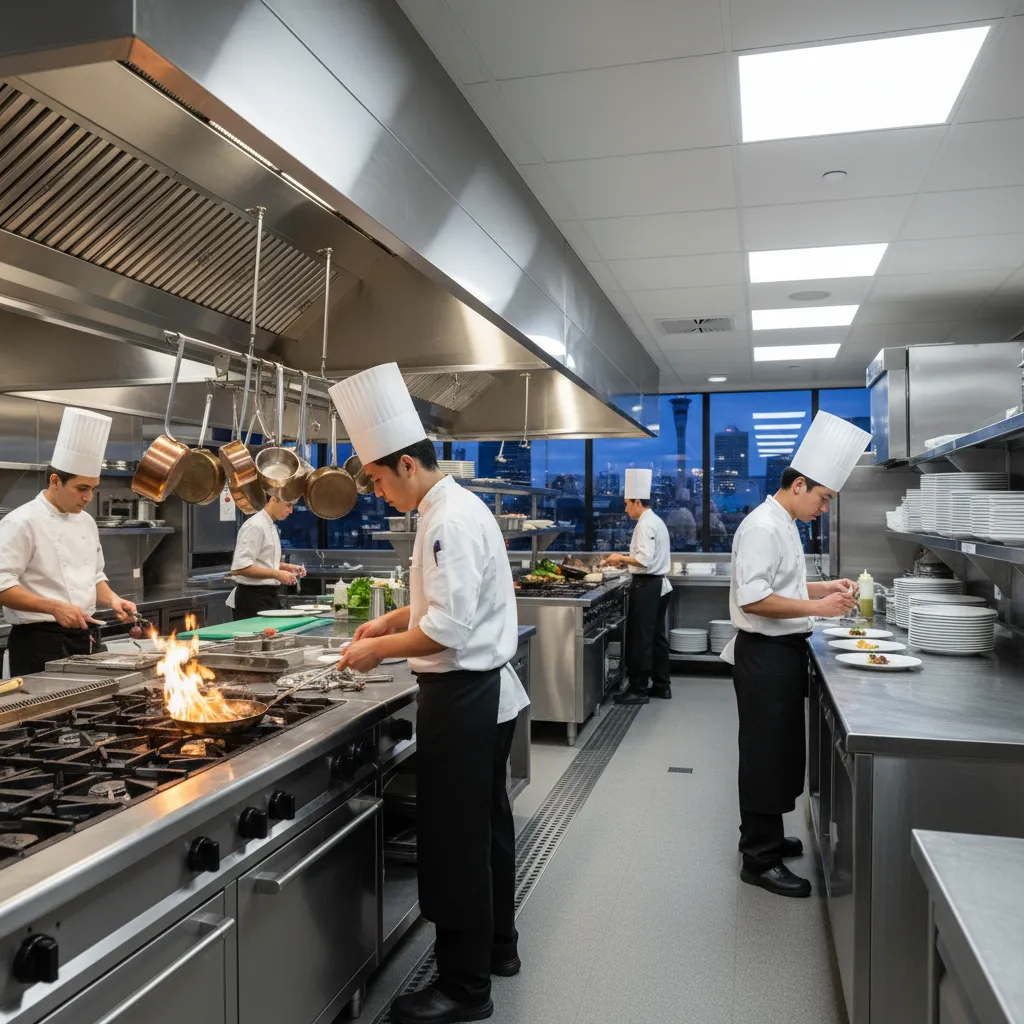
Commercial kitchens in Auckland are high-energy environments where heat, moisture, and organic waste create a perfect storm for pest activity. Unlike residential settings, the volume of food throughput means that even the most diligent cleaning can miss small pockets of debris that sustain colonies.
Auckland’s high humidity levels further complicate matters, as many common pests thrive in damp, warm microclimates. This is particularly true for high-density areas where shared walls in older buildings allow pests to migrate easily between neighbouring businesses.
German Cockroach Infestations in Warm, Damp Areas
The German cockroach is widely considered public enemy number one for the Auckland hospitality industry. These pests are highly domestic, meaning they live almost exclusively indoors where food and warmth are abundant.
They are frequently introduced as “hitchhikers” in cardboard packaging from suppliers. Once inside, they gravitate toward the motor housings of fridges, the undersides of coffee machines, and the internal voids of dishwashers.
A single female German cockroach can produce up to 40 eggs per capsule. In a warm kitchen, they can reach reproductive maturity in just six weeks, leading to an exponential population explosion if not treated immediately.
Rodent Attraction to Food Waste
Rodents, including both the Norway rat and the agile Roof rat, are a constant threat in Auckland’s urban centres. They are attracted to unsecured waste bins, grease traps, and bulk dry goods storage.
Beyond the hygiene risk, rodents pose a significant structural threat. They have been known to chew through electrical wiring in commercial ovens and POS systems, causing expensive equipment failures and potential fire hazards.
Effective pest control for restaurants in Auckland must include a robust exclusion strategy—sealing entry points as small as a pencil to prevent these intruders from gaining access in the first place.
Tailored Eradication and Prevention Plans
A “one size fits all” spray-and-walk-away approach is ineffective in a modern commercial kitchen. Leading providers now utilize Integrated Pest Management (IPM), which combines biological knowledge with strategic intervention.
IPM focuses on long-term prevention by removing the resources pests need to survive. This involves detailed site mapping, identifying high-risk zones, and using targeted treatments that minimize chemical exposure in food preparation areas.
| Pest Type | Primary Risk | Control Method |
|---|---|---|
| German Cockroaches | Pathogen spread (Salmonella) | Gel baiting & Pheromone traps |
| Rats & Mice | Equipment damage & droppings | Tamper-resistant bait stations |
| Flies (Drain/House) | Food contamination | UV light traps & Drain cleaning |
| Ants | Nuisance & food invasion | Barrier sprays & liquid baits |
After-Hours Discreet Servicing
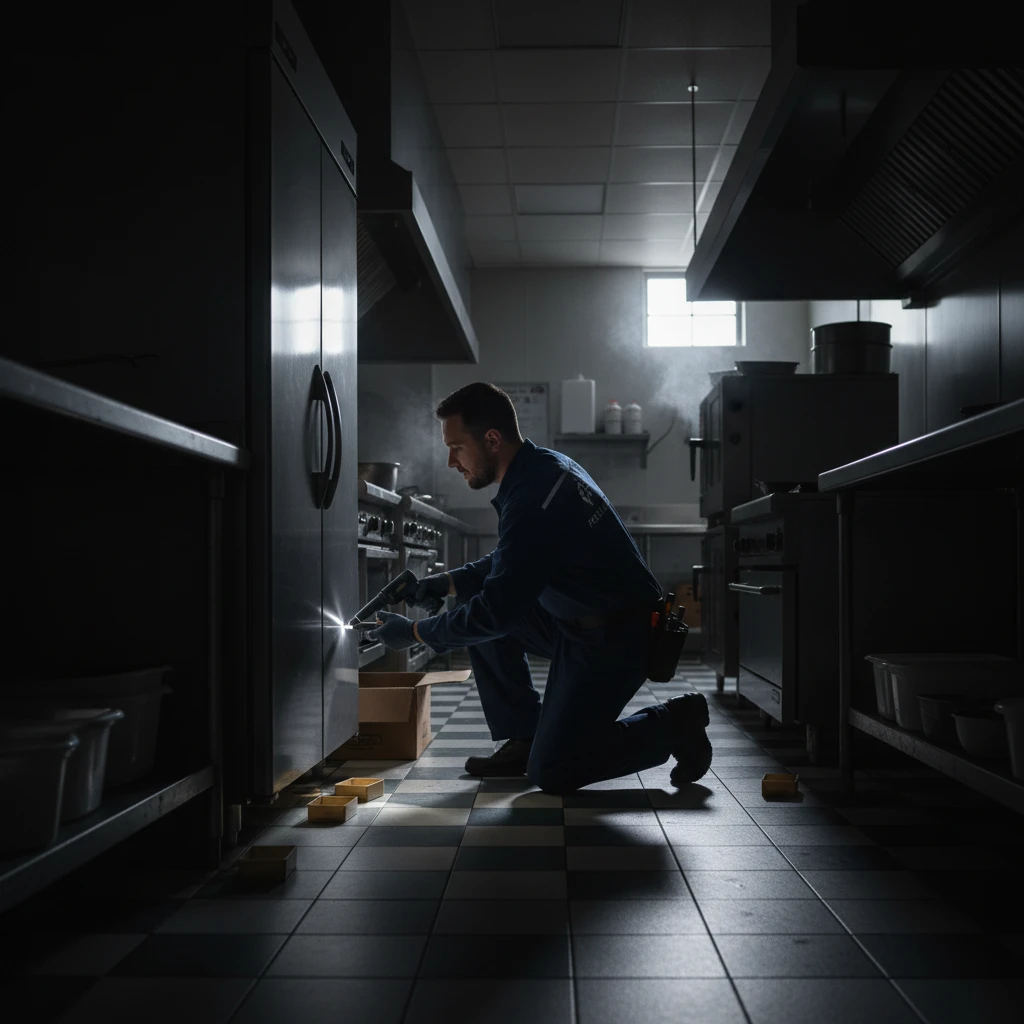
Discretion is paramount in the hospitality industry. Seeing a pest control technician in the dining room during lunch service is almost as damaging as seeing a pest itself.
Premium restaurant pest control in Auckland offers after-hours servicing. This allows technicians to perform deep inspections and apply treatments when the kitchen is empty, ensuring that chemicals have time to settle or dry before the morning prep begins.
Furthermore, using unmarked vehicles for service visits helps maintain your establishment’s reputation within the local community, keeping your hygiene protocols a private matter of professional excellence.
Non-Toxic Baiting and Trapping Systems
With the introduction of the Food Act 2014, there is a strong regulatory push toward minimizing the use of broad-spectrum toxins near food. Modern systems prioritize non-toxic monitoring and mechanical trapping.
Pheromone-based monitors for cockroaches and digital multi-catch traps for rodents allow for precise data collection. This data tells the technician exactly where the pressure is coming from, allowing for a surgical strike rather than a blanket chemical application.
Switching to digital rodent monitoring can provide real-time alerts to your phone, allowing you to catch an entry breach before a single dropping is found by a health inspector.
Staff Training and Hygiene Protocols
Even the best pest control program will fail if the kitchen staff are not aligned with hygiene goals. Pests are opportunists; they only stay where they are fed and sheltered.
Training your team to recognize the early warning signs of infestation is the first line of defence. This includes identifying “frass” (cockroach droppings that look like black pepper) or smear marks along baseboards caused by rodent fur oils.
A culture of “Clean as You Go” is essential. This means no standing water in sinks overnight, no crumbs under the heavy equipment, and ensuring all floor drains are scrubbed weekly to prevent drain fly breeding.
Educating Your Team on Early Pest Detection
Empowering staff to report sightings without fear of reprisal is critical. Many infestations become severe because a junior staff member was too intimidated to report a single cockroach they saw behind the microwave.
Incorporate pest awareness into your standard induction process. Show staff where the bait stations are located and explain why it is important not to move them or spray cleaning chemicals directly onto them.
1. Inspect all incoming cardboard deliveries for hitchhikers. 2. Remove all cardboard from the kitchen immediately after unpacking. 3. Seal all dry goods in airtight plastic containers. 4. Ensure external waste bins are at least 5 metres from the back door.
Auckland Council Grading and Compliance
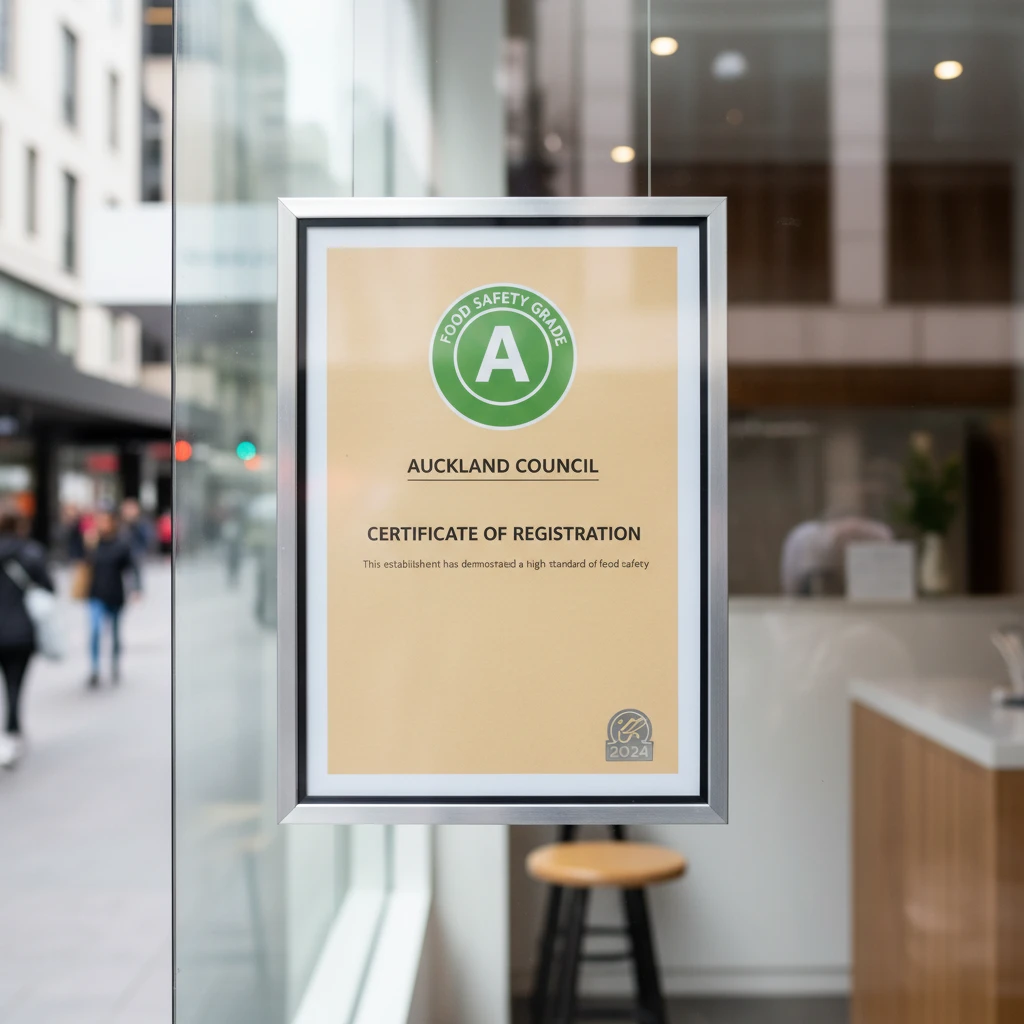
The Auckland Council EatSafe grading system is a public-facing metric that directly impacts your bottom line. An ‘A’ grade is a badge of honour, while a ‘D’ or ‘E’ grade can lead to mandatory closure and a public listing on the council’s “filthiest eateries” reports.
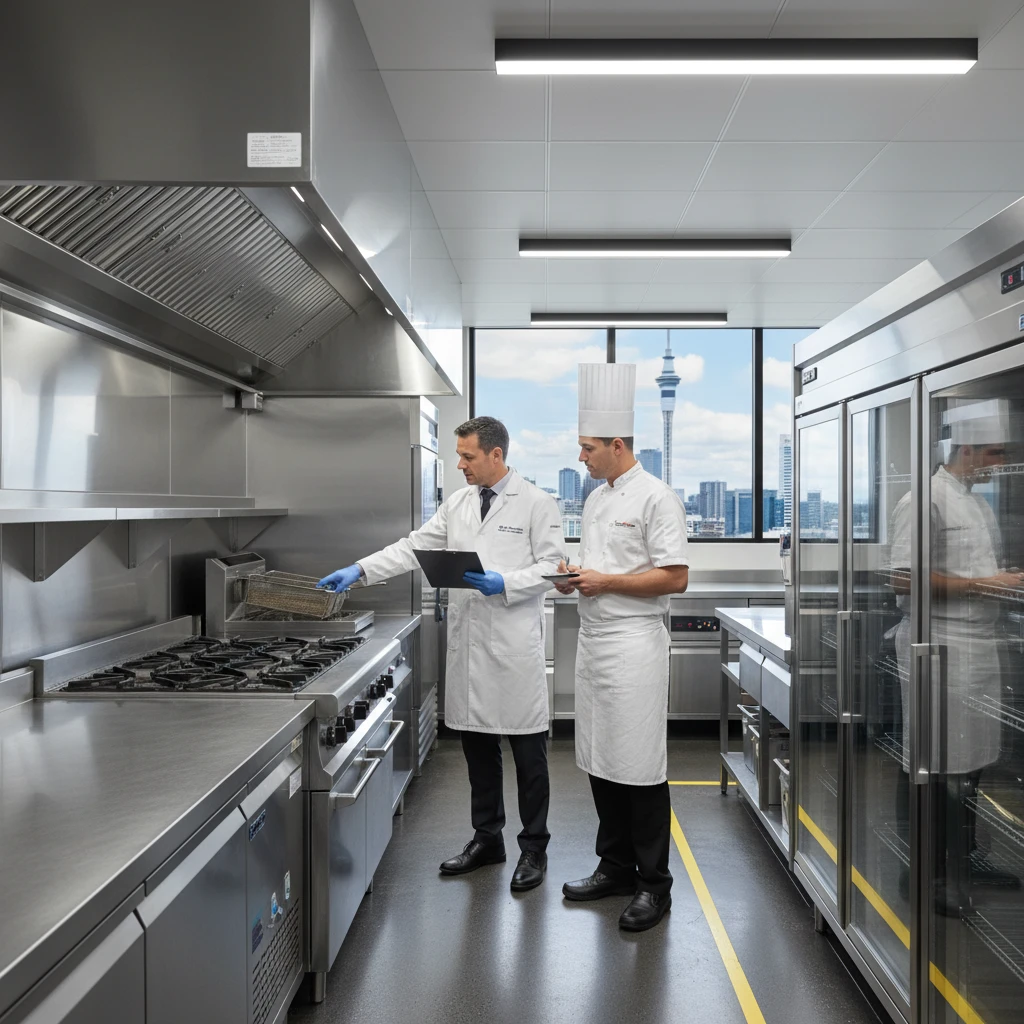
During a verification visit, the Food Safety Officer (FSO) will not just look for live pests. they will review your Food Control Plan (FCP) and your pest control service records. If you cannot prove regular, professional monitoring, you are at high risk of a grading downgrade.
As shown in the data above, the reputational damage of a pest sighting is catastrophic. With 78% of consumers expressing heightened hygiene concerns after seeing a pest, the cost of a professional restaurant pest control Auckland contract is a fraction of the potential lost revenue.
Under the Food Act 2014, businesses must take ‘all reasonable steps’ to prevent pests. In the eyes of a verifier, ‘reasonable steps’ almost always implies a contract with a certified pest management professional.
Request a Free Kitchen Audit
Don’t wait for a health inspector to find a problem. A proactive kitchen audit can identify structural weaknesses, sanitation gaps, and early-stage infestations before they become a crisis.
Our specialist team provides comprehensive restaurant pest control in Auckland, tailored specifically to the high-pressure demands of the hospitality industry. We understand the local environment, the specific pest pressures of different Auckland suburbs, and the exact requirements of the EatSafe grading system.
Protect your reputation, your staff, and your customers. Contact us today to schedule a discreet, professional audit of your premises and secure your ‘A’ grade for the year ahead.